How Long Does Windshield Recalibration Take? A Complete Guide to Static, Dynamic, and Dual Methods
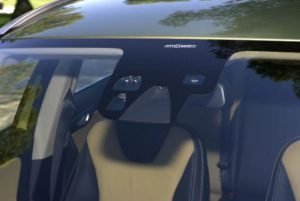
Modern vehicles are smarter—and more sensitive—than ever before. If your car has advanced driver assistance systems (ADAS) like lane-keeping assist, adaptive cruise control, or automatic emergency braking, your windshield likely houses cameras and sensors that must be precisely calibrated. After a windshield replacement, recalibration isn’t optional, it’s essential for safety.
One of the most common questions drivers ask is: how long does windshield recalibration actually take? The answer depends on the type of recalibration required: static, dynamic, or dual. Each method has its own process, requirements, and time frame.
What Is Windshield Recalibration?
Windshield recalibration is the process of realigning your vehicle’s forward-facing camera and sensors so that ADAS features function accurately. Even slight misalignment—down to millimeters—can affect how your car interprets the road.
1. Static Recalibration (Typically 1–2 Hours)
Static recalibration is performed while the vehicle is stationary in a controlled environment, usually inside a workshop.
How It Works:
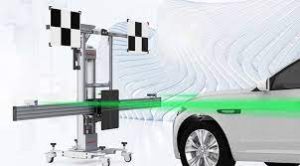
Technicians place specialized targets or calibration boards at precise distances and angles in front of the vehicle. Using diagnostic tools, they adjust the camera system until it correctly recognizes these reference points.
Time Estimate:
- Average duration: 1 to 2 hours
- Possible delays: Setup precision, lighting conditions, and vehicle complexity
Pros:
- Highly accurate due to controlled conditions
- Required by many manufacturers
Cons:
- Needs specialized equipment and space
Cannot be done outside a shop environment
2. Dynamic Recalibration (Typically 30 Minutes to 1 Hour)
Dynamic recalibration is performed while driving the vehicle under specific road conditions.
How It Works:
A technician or driver operates the vehicle at certain speeds on well-marked roads. The system recalibrates itself by analyzing lane markings, road signs, and traffic patterns in real time.
Time Estimate:
- Average duration: 30 to 60 minutes
- Possible delays: Traffic, weather, and availability of suitable roads
Pros:
- Faster than static recalibration
- Doesn’t require a specialized indoor setup
Cons:
- Less controlled environment
- May take longer if road conditions aren’t ideal
3. Dual Recalibration (Typically 1.5–3 Hours Total)
Some vehicles require both static and dynamic recalibration. This is known as dual recalibration and is becoming increasingly common in newer models.
How It Works:
The process begins with a static recalibration to establish a baseline alignment. Then, a dynamic recalibration is performed to fine-tune the system under real-world driving conditions.
Time Estimate:
- Average duration: 1.5 to 3 hours total
- Possible delays: Combination of both set-up and driving variables
Pros:
- Most thorough and accurate method
- Ensures optimal system performance
Cons:
- Takes the longest
- Typically more expensive
What Affects Recalibration Time?
Regardless of the method, several factors can influence how long the process takes:
- Vehicle make and model
- Type and number of ADAS features
- Equipment availability
- Technician experience
- Environmental conditions (lighting, weather, road quality)
Why You Shouldn’t Skip Recalibration
Skipping recalibration after a windshield replacement can lead to serious safety risks. Features like collision warnings or lane departure alerts may malfunction or provide inaccurate feedback, putting you and others on the road in danger. Windshield recalibration (ADAS) isn’t just a technical step, it’s a safety-critical one.