What is Static and Dynamic Windshield Recalibration
In the realm of automotive safety, the evolution of technology has brought about significant advancements, particularly in the domain of Advanced Driver Assistance Systems (ADAS). These systems, designed to enhance vehicle safety and performance, rely heavily on precise calibration, especially when it comes to the windshield. However, not all windshield recalibration methods are created equal. Follow along as we delve into the fine distinction between static and dynamic windshield recalibration, shedding light on their differences, benefits, and applications.
Static Windshield Recalibration:
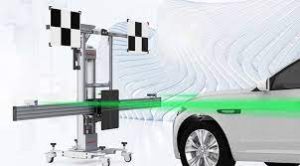
Static recalibration involves the calibration of ADAS cameras and sensors while the vehicle is stationary. This process typically takes place in a controlled environment such as a service center. During static recalibration, specialized equipment is used to align the cameras and sensors precisely according to manufacturer specifications. The vehicle is parked in a specific position, and calibration targets are placed at predetermined distances and angles to facilitate accurate calibration.
One of the primary advantages of static recalibration is its precision. Since the vehicle is stationary, technicians have more control over the calibration process, ensuring optimal alignment of the ADAS components. Additionally, static recalibration is often preferred for its reliability and consistency, as environmental factors such as road conditions and weather are minimized.
Dynamic Windshield Recalibration:
In contrast, dynamic recalibration involves calibrating ADAS cameras and sensors while the vehicle is in motion. This method utilizes advanced calibration software and onboard diagnostic tools to adjust the alignment of the sensors in real-time as the vehicle drives. Dynamic recalibration may occur on the road during normal driving conditions or through specialized equipment that simulates various driving scenarios.
The key advantage of dynamic recalibration is its efficiency. By calibrating ADAS systems while the vehicle is in motion, technicians can save time and resources compared to static recalibration methods. Dynamic recalibration also allows for real-world testing, ensuring that the ADAS components are calibrated to perform optimally under actual driving conditions.
Understanding the Differences:
While both static and dynamic recalibration aim to achieve the same goal – ensuring accurate alignment of ADAS components – there are distinct differences between the two methods.
- Precision vs. Efficiency: Static recalibration offers precise alignment in a controlled environment, while dynamic recalibration prioritizes efficiency by calibrating sensors on-the-go.
- Environmental Factors: Static recalibration minimizes the impact of external factors such as road conditions and weather, whereas dynamic recalibration allows for real-world testing.
- Equipment and Resources: Static recalibration requires specialized equipment and a dedicated space, while dynamic recalibration relies on onboard diagnostic tools and may be performed during regular driving.
Both static and dynamic windshield recalibration play crucial roles in ensuring the proper functioning of ADAS systems in modern vehicles. While static recalibration offers precision and reliability in a controlled environment, dynamic recalibration provides efficiency and real-world testing capabilities. Ultimately, the choice between static and dynamic recalibration depends on the specific requirements of the vehicle manufacturer. By understanding the variables between these two methods, automotive technicians can make informed decisions to ensure the safety and performance of ADAS-equipped vehicles on the road.